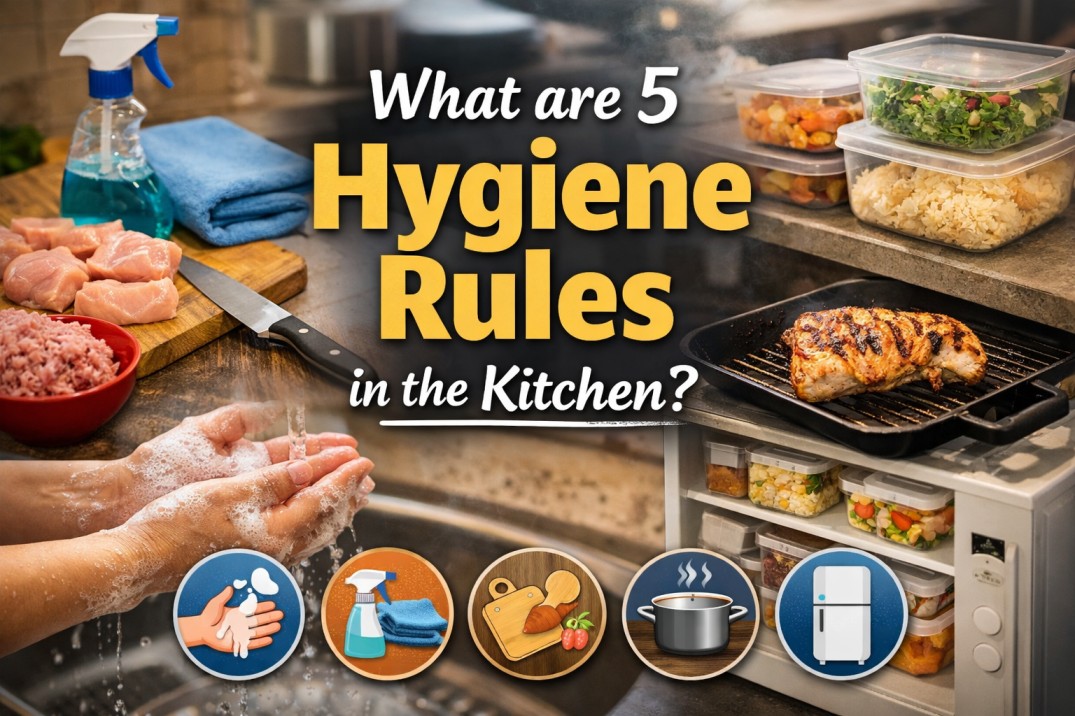
What are 5 hygiene rules in the kitchen?
Introduction
What are 5 hygiene rules in the kitchen? This question is extremely important for every person who cooks food at home or works in a professional kitchen environment. Kitchen hygiene is not only about keeping things clean, but it also plays a major role in protecting your health and preventing harmful diseases. When proper hygiene is not followed, bacteria can spread quickly and contaminate food. That is why understanding what are 5 hygiene rules in the kitchen is essential for safe cooking. Many people overlook basic hygiene habits, but even small mistakes can lead to serious health issues. By following proper hygiene rules, you can ensure that your food remains safe, fresh, and healthy. In this detailed article, we will fully explain what are 5 hygiene rules in the kitchen so you can apply them in your daily routine without difficulty.
Why Kitchen Hygiene is Important
Before learning what are 5 hygiene rules in the kitchen, it is important to understand why kitchen hygiene is necessary. A clean kitchen helps prevent food contamination and keeps harmful bacteria away from your meals. Bacteria such as Salmonella and E. coli can easily grow on dirty surfaces, utensils, and even hands. By following what are 5 hygiene rules in the kitchen, you reduce the chances of food poisoning and protect your family from illness. Clean kitchens also improve the overall cooking experience and create a healthy environment. Ignoring hygiene can lead to serious health risks, especially for children, elderly individuals, and people with weak immune systems.
Rule 1: Wash Hands Properly
The first step in understanding what are 5 hygiene rules in the kitchen is washing your hands properly. Hands are the main source of bacteria because they touch different surfaces throughout the day. If you do not wash your hands before cooking, those germs can easily transfer to the food. Always wash your hands with soap and clean water for at least 20 seconds. You should wash your hands before cooking, after touching raw meat, after using the restroom, and after handling garbage. This rule of what are 5 hygiene rules in the kitchen is simple but very powerful in preventing contamination.
Importance of Proper Hand Washing
Following what are 5 hygiene rules in the kitchen means understanding that proper hand washing removes dirt, grease, and bacteria effectively. Many people wash their hands quickly, but that does not remove germs completely. Taking time to wash hands properly ensures that food remains safe. This habit is especially important in busy kitchens where cross-contamination can happen easily.
Hand Washing vs Not Washing Hands
| Clean Hands | Unclean Hands |
|---|---|
| Prevents bacteria spread | Spreads harmful germs |
| Keeps food safe | Causes contamination |
| Protects health | Increases illness risk |
Rule 2: Keep Surfaces and Utensils Clean
Another important part of what are 5 hygiene rules in the kitchen is keeping all kitchen surfaces and utensils clean. Counters, cutting boards, knives, and cooking tools should be cleaned before and after use. Dirty surfaces can easily transfer bacteria to food. Use hot water and disinfectant cleaners to sanitize surfaces regularly. Always clean spills immediately because they can become a breeding ground for germs. This rule of what are 5 hygiene rules in the kitchen ensures that your cooking space remains safe.
Best Practices for Cleaning
When following what are 5 hygiene rules in the kitchen, it is important to use separate cloths for cleaning different areas. For example, do not use the same cloth for wiping dishes and cleaning the floor. Regular cleaning routines help maintain hygiene and reduce bacterial growth.
Clean Surface vs Dirty Surface
| Clean Surface | Dirty Surface |
|---|---|
| Safe for food preparation | Risk of contamination |
| Free from bacteria | Breeding ground for germs |
| Healthy environment | Unhealthy kitchen |
Rule 3: Separate Raw and Cooked Food
A very important step in what are 5 hygiene rules in the kitchen is separating raw and cooked food. Raw food items like meat, poultry, and seafood contain bacteria that can contaminate cooked food. Always use separate cutting boards, knives, and utensils for raw and cooked items. Store raw food in sealed containers and keep it away from ready-to-eat meals. This practice helps prevent cross-contamination and keeps food safe.
Why Separation is Necessary
Understanding what are 5 hygiene rules in the kitchen helps you realize that mixing raw and cooked food can lead to serious health issues. Even a small amount of contamination can cause food poisoning. Proper separation ensures that cooked food remains safe to eat.
Separated Food vs Mixed Food
| Separated Food | Mixed Food |
|---|---|
| No cross-contamination | High contamination risk |
| Safe to eat | Unsafe consumption |
| Better hygiene | Poor hygiene |
Rule 4: Cook Food Properly
Cooking food properly is another essential part of what are 5 hygiene rules in the kitchen. Undercooked food can contain harmful bacteria that may cause serious illnesses. Always cook meat, poultry, and seafood at the correct temperature. Using a food thermometer is a good way to ensure proper cooking. This rule of what are 5 hygiene rules in the kitchen helps kill bacteria and ensures that food is safe for consumption.
Correct Cooking Techniques
Following what are 5 hygiene rules in the kitchen means understanding that different foods require different cooking temperatures. For example, chicken must be cooked thoroughly, while vegetables need proper washing and light cooking. Proper techniques improve food safety and quality.
Proper Cooking vs Improper Cooking
| Proper Cooking | Improper Cooking |
|---|---|
| Kills bacteria | Bacteria survive |
| Safe meals | Risky meals |
| Healthy eating | Foodborne illness risk |
Rule 5: Store Food Safely
The final step in what are 5 hygiene rules in the kitchen is proper food storage. Food should be stored at the correct temperature to prevent spoilage and bacterial growth. Refrigerate perishable items quickly and keep leftovers in airtight containers. Label stored food with dates to track freshness. This rule of what are 5 hygiene rules in the kitchen helps maintain food quality and safety.
Safe Storage Practices
Understanding what are 5 hygiene rules in the kitchen also includes organizing your refrigerator properly. Keep raw meat on lower shelves to avoid dripping onto other food. Maintain proper temperature settings to ensure freshness.
Proper Storage vs Improper Storage
| Proper Storage | Improper Storage |
|---|---|
| Fresh food | Spoiled food |
| Longer shelf life | Short shelf life |
| Safe consumption | Health risks |
Additional Hygiene Tips
Along with understanding what are 5 hygiene rules in the kitchen, there are additional tips that can improve cleanliness. Always keep garbage bins covered and empty them regularly. Use clean towels and avoid reusing dirty cloths. Keep pets away from cooking areas and ensure proper ventilation in the kitchen. These habits support what are 5 hygiene rules in the kitchen and create a healthier environment.
Common Mistakes to Avoid
Even if people know what are 5 hygiene rules in the kitchen, they often make mistakes. Some common errors include not washing vegetables properly, using the same utensils for raw and cooked food, and leaving food uncovered. Avoiding these mistakes is essential to maintain hygiene. Understanding what are 5 hygiene rules in the kitchen helps you recognize and correct these issues effectively.
Benefits of Following Kitchen Hygiene Rules
Following what are 5 hygiene rules in the kitchen provides many benefits. It ensures food safety, reduces the risk of diseases, and improves overall health. A clean kitchen also creates a positive cooking environment. By practicing what are 5 hygiene rules in the kitchen daily, you protect yourself and your family from harmful infections.
Conclusion
In conclusion, understanding what are 5 hygiene rules in the kitchen is essential for maintaining a clean and safe cooking environment. These rules include washing hands properly, cleaning surfaces, separating raw and cooked food, cooking food thoroughly, and storing food safely. Each rule plays an important role in preventing contamination and protecting health. Many people underestimate the importance of these simple practices, but they can make a huge difference in daily life. By consistently following what are 5 hygiene rules in the kitchen, you can avoid foodborne illnesses and ensure that your meals are safe and healthy. Developing these habits will not only improve your kitchen hygiene but also create a healthier lifestyle for you and your family.